
Medellín sells itself on the weather. At about 1,500 metres in a green Andean valley, the “city of eternal spring” is warm every day of the year and rarely hot, so most flats have neither heating nor air-conditioning. Add a US time zone, a modern Metro with cable cars up the hillsides, cheap and excellent healthcare, friendly Paisa locals, and one of the biggest nomad and expat communities in Latin America, and it is easy to see why so many remote workers end up staying for months.
It is also a city where you need to take safety seriously. Phone theft is common, and foreigners who meet strangers through dating apps have been drugged, robbed and in some cases killed; the US Embassy has warned about it repeatedly. Prices in the popular neighbourhoods have risen fast, and parts of El Poblado have a party-tourism scene the city is trying to curb. This guide covers what you need to set up and live here for one to twelve months. For the best neighbourhoods to rent in and named coworking spaces and laptop cafes, see the two companion pages. For sights, food and day trips as a visitor, see the Medellín travel guide.
Medellín for Digital Nomads at a Glance#
Why Medellín Works for Remote Workers#
- Spring weather all year. Days of 24 to 28°C and cool nights, every month. You can work with the windows open.
- US hours. Colombia is on UTC-5 all year: the same as New York in winter and one hour behind in summer.
- Good value. A comfortable life with a furnished flat, eating out, coworking, a gym and Spanish classes costs about $1,800 a month, less in Laureles or Envigado.
- A real nomad community. Coworking spaces, language exchanges, meetups, salsa classes and a huge expat scene make it easy to meet people.
- Colombia’s only Metro. Clean, cheap and proud, with Metrocable gondolas over the hillside neighbourhoods.
- Easy to learn Spanish. Paisa Spanish is clear and friendly, and there are excellent, cheap language schools and tutors.
Who Medellín Suits (and Who It Doesn't)#
Medellín suits North Americans on US hours, people who want to learn Spanish, anyone who hates heat and cold alike, and nomads who want a big social scene. It is a good choice for longer stays thanks to Colombia’s digital nomad visa.
It suits you less if you won’t follow local safety advice, if you want to get by without any Spanish, or if you want a beach (the Caribbean coast is a flight away). It is noisy, with motorbikes, music and fireworks, and the hills of El Poblado make walking hard work. Air quality also dips at times, especially in March and April and around October, when pollution is trapped in the valley.
Visas for Remote Workers in Medellín#
Citizens of the US, Canada, the UK, the EU, Australia and many other countries can visit Colombia without a visa for 90 days, extendable once online or at Migración Colombia for another 90 days, up to 180 days per calendar year. Fill in the free Check-MIG form online within 72 hours before your flight, and carry proof of an onward or return ticket.
For longer stays, Colombia’s Digital Nomad Visa (V Nómada Digital) lasts up to two years. You need remote income of about three times the Colombian minimum wage (about COP 5.25 million, or about $1,300 a month) from employers or clients outside Colombia, health insurance valid in Colombia, and you apply online through the Cancillería visa portal. Fees are about $55 to apply and about $175 when granted. Visa holders register with Migración Colombia and get a foreigner’s ID card (cédula de extranjería).
Colombia: Digital Nomad Visa (V Nómada Digital)
- Stay
- Up to 2 years
- Valid for
- 2 years
- Renewal
- No; switch to another visa to stay
- Money required
- 3x the Colombian minimum wage: about COP 5.25 million (about $1,300) a month
- Fee
- About $55 to apply, about $175 when granted
- Who qualifies
- Remote workers for foreign employers or clients, and owners of foreign digital businesses, from visa-exempt countries.
- Family
- Spouse and children as beneficiaries
- Tax
- Tax resident after 183 days in 12 months
- How to apply
- Online through the Cancillería visa portal. Official site
Medellín and Bogotá are the main bases. Tax residency comes fast, so plan for it.
Colombia for digital nomads · Rules checked October 2026. Confirm with the official source before applying.
What It Costs to Live in Medellín#
These are monthly costs for one person living in a furnished one-bed in Laureles or El Poblado, in US dollars at about COP 4,000 to the dollar. They are ballpark figures: Provenza and upper Poblado cost much more than Laureles, Envigado or Sabaneta, and how often you eat out and go out makes a big difference.
| Monthly cost | Typical range (USD) | Notes |
|---|---|---|
| Furnished 1-bed, Laureles or El Poblado (monthly) | $600 - $1,300 | About COP 2.4-5.2 million; a room in a shared flat from about COP 1.4 million |
| Utilities and building fees | $30 - $80 | Usually included in furnished monthly rentals |
| Home internet | $20 - $35 | Fibre from Tigo, Claro or Movistar, usually included |
| Mobile plan with big data | $8 - $20 | Claro has the best coverage; Tigo and Movistar are cheaper |
| Coworking hot desk | $100 - $250 | About COP 450,000-1 million a month, or cafes |
| Food: menú del día, cafes, dinners out | $300 - $650 | A menú del día lunch COP 18,000-30,000; dinner in Provenza COP 60,000-120,000 |
| Transport: Metro, Uber, DiDi, taxis | $30 - $100 | Metro about COP 3,700 a ride with a Cívica card |
| Gym or classes | $25 - $80 | Chain gyms from about COP 100,000 a month |
| Health insurance (nomad policy) | $50 - $170 | Depends heavily on age and US cover |
| Going out, Spanish classes, weekend trips | $150 - $450 | Day trips to Guatapé and the coffee towns are cheap by bus |
These are ballpark estimates, not quotes. Real costs vary hugely with your lifestyle, which neighbourhood you live in, how often you eat out or take taxis, the season and the exchange rate. Use them to compare places, then check current prices before you commit.
A furnished one-bed on a monthly rental costs about COP 2.4 to 5.2 million ($600 to $1,300) depending on area and building; a room in a shared flat from about COP 1.4 million. Long, unfurnished leases with Colombian landlords are far cheaper, but often need a local guarantor (fiador).
What stays cheap: the menú del día set lunch (soup, main, drink) for about COP 18,000 to 30,000, the Metro, fresh fruit and juices, gyms, healthcare and dental care, haircuts and Spanish lessons. Cocktail bars, imported goods and restaurants in Provenza are priced closer to US levels.
Where to Live in Medellín#
Most nomads choose between two areas:
- El Poblado (Provenza and Manila) for the centre of the nomad scene, restaurants and nightlife.
- Laureles and Estadio for flat, leafy, walkable streets and a more local, residential feel.
Others look further out:
- Upper Poblado for towers with pools, gyms, security and views.
- Envigado for a Paisa town feel, value and local life next to Poblado.
- Sabaneta for budget long stays at the end of the Metro line.
Our where to live in Medellín page compares five areas with rents and who each suits, and explains how to find a flat safely.
Where to Work: Coworking and Cafes#
Medellín has plenty of coworking spaces in El Poblado and Laureles, and they are cheap. Expect to pay about $10 to $15 for a day pass and $100 to $250 a month, more at WeWork.
- Atom House in El Poblado is small and friendly, with very fast internet.
- WeWork has two buildings in El Poblado.
- Semilla in Laureles is open seven days a week.
- Tinkko near Milla de Oro has cheap flexible plans by the hour.
Colombia’s cafe culture is excellent, and Medellín has specialty coffee on every corner, though many cafes are small and short on outlets. Several big names in older guides, such as Selina, are no longer operating as they were. The full list with prices and a map is on our Medellín coworking spaces and laptop cafes page.
Internet, SIM Cards and Staying Online#
Most modern buildings in El Poblado and Laureles have fibre from Tigo, Claro or Movistar, typically 300 to 900 Mbps, and furnished rentals usually include it. Older buildings can still have slower cable connections, so ask for a speed test.
For mobile, Claro has the best coverage; Tigo and Movistar are cheaper. Buy a prepaid SIM at a phone shop or supermarket with your passport and top up with a monthly data package. Mobile phones brought into Colombia sometimes need IMEI registration to work on local SIMs after a while; phone shops can help.
Getting Around#
- Metro. Two main lines run through the valley, with Metrocable gondolas and a tram (tranvía) linking hillside neighbourhoods. A ride costs about COP 3,700 with a rechargeable Cívica card. Poblado and Estadio stations serve the nomad areas.
- Uber, DiDi and InDrive are widely used and cheap. Uber operates in a legal grey area but works normally.
- Taxis are yellow and metered. Order them through an app or have your building or restaurant call one, rather than hailing on the street at night.
- EnCicla is the city’s free public bike-share system, useful in flat Laureles.
- Walking. Laureles is flat and very walkable. El Poblado is steep; you will walk downhill and take an Uber back up.
- The airport (José María Córdova, MDE) is in Rionegro, 45 to 60 minutes away over the mountains. A few domestic flights use the smaller Olaya Herrera airport in the city.
Weather and Seasons#
Medellín’s temperature barely changes: about 26 to 28°C in the afternoon and 16 to 18°C at night all year. The seasons are about rain.
| Season | Months | What it’s like for working here |
|---|---|---|
| Drier months | December to March, June to August | More sunshine, fewer storms. December and January are busy with holidays and the Feria de las Flores is in August. |
| Rainy months | April to May, September to November | Afternoon and evening downpours, sometimes heavy, with landslides in the hills. Mornings are often clear. |
Air quality can dip in the valley, mainly in March and April and around October, when the city sometimes declares pollution alerts. In December and January, fireworks and celebrations run late into the night.
Health, Insurance and Fitness#
Medellín has some of the best hospitals in Latin America and a large medical and dental tourism industry. Hospital Pablo Tobón Uribe, Clínica Las Américas, Clínica El Rosario and Clínica Medellín are well regarded, and private GP visits and dental work cost a fraction of US prices. Pharmacies are everywhere.
You need health insurance valid in Colombia for the digital nomad visa; see our health insurance guide.
For fitness, there are cheap chain gyms, CrossFit boxes, climbing gyms, yoga studios and many salsa schools. On Sundays and holidays, the Ciclovía closes major roads to cars for cyclists and runners, and the stadium complex in Estadio has tracks, pools and courts.
Banking and Money#
Cards are accepted in most restaurants, supermarkets and malls, but cash is still common in small shops, markets and taxis. Use ATMs inside malls or bank branches (Bancolombia, Davivienda, BBVA) in daylight, decline the machine’s currency conversion, and expect a fee per withdrawal on foreign cards. Withdraw only what you need and keep cash split up.
Landlords often want rent by bank transfer to a Colombian account; Wise and similar services can send pesos. Once you have a cédula, you can open a Colombian account and use apps such as Nequi. See our banking guide.
Taxes#
You become a Colombian tax resident if you spend more than 183 days in Colombia in any 365-day period, and residents are taxed on worldwide income. Digital nomad visa holders who stay most of the year will usually become tax resident quickly, so plan for it and get advice from a Colombian tax adviser. See our digital nomad tax guide.
Community and Meeting People#
Medellín is very social:
- Coworking spaces and meetups. Nomads.com, Meetup and InterNations list nomad drinks, startup events and hikes every week.
- Language exchanges in Laureles and El Poblado bars are one of the best ways to meet locals and other foreigners.
- Spanish schools run group classes and social activities.
- Salsa and dance classes are cheap, fun and social.
- Sport. Running and cycling groups, the Sunday Ciclovía, football, climbing and paragliding in nearby San Félix.
Paisas are famously friendly and proud of their city. Learning Spanish makes a big difference to the friendships you can make.
Safety#
Medellín has transformed since the 1990s, and most nomads live here without problems, but you need to follow the local rule: no dar papaya, don’t make yourself an easy target.
- Dating apps. Do not meet strangers from dating apps at your home or in a place they choose. Several foreigners have been drugged (often with scopolamine), robbed and killed after app dates, and the US Embassy has warned against it. Meet in busy public places and don’t go home with someone you have just met.
- Phone theft is the most common crime, often by thieves on motorbikes. Don’t use your phone on the street edge, and keep it out of sight on public transport.
- Drinks. Watch your drink and never accept drinks from strangers.
- Transport. Use Uber, DiDi or app-booked taxis at night.
- ATMs. Use machines inside malls or banks in daylight.
- Areas. Stay out of hillside comunas unless you go with a reputable guide, and ask locals about areas to avoid.
- The law. Colombia has strict laws against sexual exploitation, and Medellín actively enforces them, especially in Provenza and Parque Lleras.
Weekend Escapes from Medellín#
- Guatapé and the giant rock of El Peñol, with a reservoir full of islands, are about 2 hours east.
- Jardín and the coffee towns of south-west Antioquia are 3 to 4 hours away, with coffee farms, waterfalls and colourful plazas.
- Santa Fe de Antioquia, a colonial town, is about 1.5 hours north-west.
- The coffee region around Salento and the Cocora Valley, with its giant wax palms, is about 6 hours by bus or a short flight.
- Cartagena, Santa Marta and the Caribbean coast are about an hour by plane, and Bogotá under an hour.
Your First Week in Medellín#
- Fill in Check-MIG before you fly, and land with an eSIM or buy a SIM at the airport.
- Book a week or two in El Poblado or Laureles, then look at monthly flats in person.
- Get a Cívica card for the Metro, and install Uber, DiDi and InDrive.
- Try a few workspaces with day passes before buying a month.
- Learn the safety basics, and agree with friends to meet dates only in public places.
- Sign up for Spanish classes or a language exchange in your first week.
Videos: Living and Working in Medellín#
The most useful recent YouTube videos on living and working remotely in Medellín, picked for practical detail over hype. Prices in videos age fast, so treat them as a feel for life here rather than a quote.
 14 min

A local presenter asks expats what they actually pay, with a range of homes and neighbourhoods.
 10 min
Why Medellín has become noticeably more expensive, and what still makes it good value.
 39 min

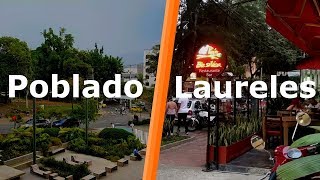
A long walking tour of Laureles: streets, parks, cafes and why long-stayers end up here.
 5 min

A short, still-accurate comparison of the two main expat areas. Prices have risen since.
 9 min

The dating-app and drugging risks explained plainly. Worth watching before you arrive.
 14 min
A couple's monthly spending, showing how to live well for less outside the most expensive streets.
Medellín Digital Nomad FAQs#
Is Medellín good for digital nomads?
Yes. It has spring-like weather all year, US time zones, fast internet, cheap coworking, excellent healthcare, a dedicated nomad visa and a huge community. The main downsides are safety risks that need real care, rising prices and noise.
How much does it cost to live in Medellín as a digital nomad?
Plan on about $1,800 a month for a comfortable life in a furnished flat in Laureles or El Poblado, eating out and using a coworking space. A lean month is about $1,200, and $2,800 or more buys an upscale flat and plenty of dining out. These are ballpark figures; see what it costs.
Does Colombia have a digital nomad visa?
Yes. The V Nómada Digital visa lasts up to two years and needs remote income of about three times the Colombian minimum wage (about $1,300 a month) from outside Colombia. Visitors can also stay 90 days visa-free, extendable to 180 days a year. See visas for remote workers.
Is Medellín safe for digital nomads?
Most nomads have no problems, but you must follow local safety advice: don’t meet strangers from dating apps at home, watch your drink, keep your phone out of sight on the street and use app-based transport at night.
Is El Poblado or Laureles better for digital nomads?
El Poblado has the most restaurants, nightlife and coworking, but is hilly, touristy and expensive. Laureles is flat, leafy, more local and cheaper, and many long-stayers prefer it. Compare them on our where to live in Medellín page.
What time zone is Medellín in?
UTC-5 all year, with no daylight saving. It is the same as New York in winter and one hour behind New York in US summer.
Do I need Spanish in Medellín?
Not in El Poblado’s cafes and coworking spaces, but you will need basic Spanish for taxis, shops, landlords and making local friends. Classes are cheap and widely available.
Last reviewed October 2026. Prices and venues change: check before you commit to a month.