

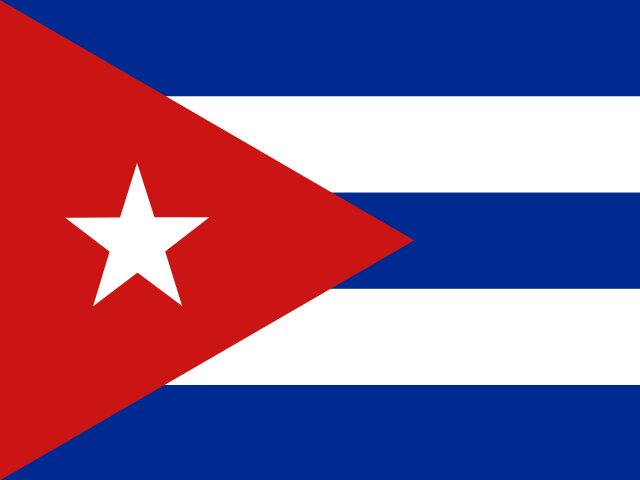
 Havana

Neighbourhoods of Havana
- Old HavanaColonial maze full of history, ideal for first-time visitors who want museums and cafés nearby.
Dining: Paladares Nightlife: Casual Shopping: Souvenirs Stays: Boutiques- Plaza Vieja: Restored colonial square with cafés, bars and constant people-watching.
- Catedral de La Habana: Baroque cathedral anchoring the historic quarter and great photo ops.
- La Bodeguita del Medio: Famous mojito spot with live music and Hemingway lore.
- El Floridita: Classic bar known for daiquiris and its Ernest Hemingway connection.
- VedadoModern, nightlife-focused neighbourhood with broad avenues, ideal for travellers wanting museums, bars and late-night music.
Dining: Cafés Nightlife: Lively Shopping: Boutiques Stays: Mid-Range- Fábrica de Arte Cubano (FAC): Multiroom art-and-nightlife hub showcasing music, exhibitions and late-night crowds.
- Hotel Nacional de Cuba: Legendary hotel on the Malecón with a storied bar and sea views.
- Calle 23 (La Rampa): Avenue for theatres, cinemas, restaurants and a young nightlife scene.
- Plaza de la Revolución: Monumental square dominated by the José Martí Memorial and political history.
- MiramarPolished, residential area with wide streets, suited to expats, business travellers and quieter, longer stays.
Dining: Fine Dining Nightlife: Clubs Shopping: Restaurants Stays: Upscale- Quinta Avenida (5ta Avenida): Tree-lined avenue with embassies, restaurants and upscale eateries.
- Casa de la Música Miramar: Popular venue for salsa and live Cuban bands.
- Palacio de Convenciones: Big conference centre that hosts international events and concerts.
- Marina Hemingway: Yacht marina with sport-fishing charters and waterfront restaurants.
- Playas del EsteLong, local beach strip east of Havana, best as a day trip for sun and sand.
Dining: Seafood Nightlife: Quiet Shopping: Limited Stays: Day-trips- Santa María del Mar: Popular long sandy beach with clear water and paladar kiosks.
- Boca Ciega: Local-favourite beach stretch with calmer waters for weekend swimmers.
- Tarará: Small resort area with a quieter shoreline and local bustle.
- Jaimanitas (Fusterlandia)Colourful, artist-transformed fishing neighbourhood, ideal for a quiet half-day visit for photos and ceramics.
Dining: Cafés Nightlife: None Shopping: Art Stays: Local- FUSTERLANDIA: Colourful ceramic-tiled neighbourhood and open-air art project by José Fuster.
- Fuster’s Studio and Workshops: Artist’s working space where you can see mosaics up close.
- Jaimanitas Seafront: Short seaside stretch with local life and views back to Havana.
Currently it is the low season, with temperatures ranging from 24-32°C (75-90°F).
September
September in Havana is the height of the wet season and the quietest month for visitors. It feels hot and muggy, with frequent heavy showers and almost no clear days, so outdoor plans get interrupted. Fewer tourists means lower rates and room choices; focus on museums, indoor cafes and evening salsa spots. Avoid beach trips and Old Havana’s low-lying cobbles when storms hit - opt for hotels in Vedado or Miramar where streets dry faster.
Next 3 Months
October stays wet and oppressive, so expect the same low crowds. November eases toward shoulder season with less rain and still-sticky air. December turns drier and into high season, so prices and bookings rise despite lingering humidity.
Havana at a Glance
Costs: Budget $40-80; mid $80-150/day - casas particulares and street food cut costs; taxis and private guides raise spending.
Safety: Generally safe, watch for petty theft - low violent crime; pickpocketing and scams common in tourist areas and at night.
Best Time: November-April (dry season) - cooler temperatures, lower humidity and festival season; avoid hurricanes June-November.
Cuba’s captivating, crumbling capital - a sun-baked, salt-worn city of classic American cars, faded colonial grandeur, live son and salsa, and an atmosphere unlike anywhere else on Earth.
Havana strings along the seafront Malecón; Habana Vieja (Old Havana) and its plazas sit at the harbour’s mouth, with leafy Vedado and its grand avenues to the west and residential Miramar beyond.
Why go / don’t miss: Old Havana’s plazas and forts, a ride in a classic convertible, the Malecón at sunset, live music in the bars, the Museo de la Revolución, and rum-and-cigar culture.
Neighborhoods: Habana Vieja for colonial squares and museums; Centro Habana for gritty, real street life; and Vedado for grand avenues, the university, nightlife and the Malecón.
Getting around: classic-car and coco taxis, shared almendrón taxis along fixed routes, and plenty of walking in the old town; there’s no metro, and buses are crowded.
When to go: the dry season Nov - Apr is best; summer is hot and humid, with a Jun - Nov hurricane risk.
Where to stay: casas particulares (family guesthouses) in Habana Vieja or Vedado are the classic, characterful choice.
Dining: hearty Cuban fare - ropa vieja, rice and beans, roast pork - in paladares (private restaurants); bring patience, and note shortages can limit menus.
Local tips: bring plenty of cash (foreign cards mostly don’t work), pack toiletries and small gifts (shortages are common), agree taxi fares first, and avoid political talk.
Why Visit Havana?
Colonial architecture, rum-soaked music and timeless classic cars make Havana a magnetic destination for travelers seeking immersive culture and history. Wander the cobbled streets of Old Havana to find baroque plazas, lively cafés and street musicians, then walk the Malecón at sunset where locals play dominoes and share stories. Savor ropa vieja with a strong café Cubano, and dive into salsa nights or a spontaneous rumba performance-the city’s mix of Afro‑Cuban rhythms, historic landmarks and vintage cars results in an unmistakable local character.
Who's Havana For?
Couples
Havana is great for romantic evenings - stroll the Malecón at sunset, sip mojitos on Hotel Nacional’s terrace, and dine in intimate paladares around Habana Vieja. Old-world plazas and live music create mood, though service and comforts can be rustic.
Families
Families can enjoy Castillo del Morro, Museo de la Revolución and classic-car rides; Playas del Este is an easy beach day. Child-friendly infrastructure and medical facilities are limited, so plan slower days and bring basic supplies and patience.
Backpackers
A lively cultural scene and affordable casa particulares make Havana backpacker-friendly. Expect a thin hostel scene compared with other capitals; Calle Obispo and Parque Central are good bases. Budgeting is odd - some tourist services cost more than you’d expect.
Digital Nomads
Poor, slow Wi‑Fi via ETECSA and scarce coworking options make long-term remote work frustrating. Short tourist visas and frequent connectivity outages are real headaches. It’s inspiring for occasional work stints, but not reliable for full-time nomads.
Foodies
Paladares in Habana Vieja and Vedado serve creative takes on Cuban classics - ropa vieja, fresh seafood and ropa vieja variants. Street snacks and deli stands are charming, though ingredient shortages mean menus can change daily.
Adventure Seekers
Havana is a launch point for day trips: caving and horseback in Viñales, snorkeling at Playa Girón and birding in Zapata Peninsula. The city itself has limited extreme-sport infrastructure, so plan excursions outside the capital for thrills.
Party Animals
Nightlife is lively - salsa at Casa de la Música, late DJ sets and art+music nights at Fábrica de Arte Cubano in Vedado, and live bands in Centro Habana. Expect cash covers, informal hours, and a spontaneous, music-first scene.
Nature Buffs
Urban green spots like Parque Almendares and the Botanical Garden help, but the real draws are nearby: Viñales’ mogotes, Zapata wetlands and coastal keys. Excellent for birding and geology day trips, though reach often requires organized transport.
Plan Your Visit to Havana
Best Things to Do in Havana
 Museum
Finca Vigía
Ernest Hemingway's Cuban home turned museum
Museum
Finca Vigía
Ernest Hemingway's Cuban home turned museum
 Church
Havana Cathedral
Baroque cathedral in Old Havana's central plaza
Church
Havana Cathedral
Baroque cathedral in Old Havana's central plaza
 Building
El Capitolio
Monumental Havana capitol building inspired by US Capitol
Building
El Capitolio
Monumental Havana capitol building inspired by US Capitol
 Museum
 of the Revolution (Cuba)
Museum in Havana housed in the former presidential palace
Museum
Museum of the Revolution (Cuba)
Museum in Havana housed in the former presidential palace
 Road
Malecón
Seaside promenade and social hub in Havana
Road
Malecón
Seaside promenade and social hub in Havana
 Theater
Gran Teatro de La Habana
Havana opera house complex hosting ballet and performances
Theater
Gran Teatro de La Habana
Havana opera house complex hosting ballet and performances
 Fort
Morro Castle
17th-century fortress guarding Havana's harbor entrance
Fort
Morro Castle
17th-century fortress guarding Havana's harbor entrance
Havana Bucket List
Don't Miss
Habana Vieja (Old Havana) - Cobblestone streets, colonial plazas, and restored facades concentrated in the historic core.
Castillo de los Tres Reyes Magos del Morro (El Morro) - Guarding Havana’s entrance, its lighthouse offers panoramic sea views and cannon salutes.
Malecón - Five-kilometre seawall where locals gather at sunset for socializing and people-watching.
Plaza de la Revolución - Massive square with José Martí Memorial and iconic government mural portraits.
Museo Nacional de Bellas Artes de La Habana - Extensive collection of Cuban and international art across two neighboring museum buildings.
El Capitolio (Capitolio Nacional) - Impressive 1929 domed building once seat of government, now open for tours.
Hidden Gems
Fusterlandia (Jaimanitas) - Neighborhood transformed by José Fuster’s mosaics into a colorful, whimsical outdoor art installation.
Callejón de Hamel - Afro-Cuban street filled with murals, sculptures, and spontaneous rumba performances on Sundays.
Fábrica de Arte Cubano - An experimental arts venue mixing music, visual art, and nightlife in an industrial setting.
Jardín Botánico Nacional de Cuba - Expansive botanical gardens south of the city hosting native plant collections and shaded trails.
Finca Vigía (Ernest Hemingway’s house) - Hemingway’s preserved hilltop home with original belongings and a view of Havana’s outskirts.
Paladar Doña Eutimia - Popular family-run paladar serving traditional Cuban home cooking in a cozy, restored colonial dining room.
Day Trips
Viñales Valley (Valle de Viñales) - Karst mogotes, tobacco farms, and horseback trails roughly two-and-a-half to three hours away.
Las Terrazas (Sierra del Rosario) - UNESCO biosphere community with hiking, coffee farms, and a freshwater pool under two hours.
Varadero - Popular resort peninsula with long white-sand beaches and abundant snorkeling opportunities, around two hours.
Playa Girón / Bahía de Cochinos (Bay of Pigs) - Historic bay for snorkeling and museums about two-and-a-half hours; dive sites nearby.
Santa María del Mar (Playas del Este) - Quick beach escape with clear water, local kiosks, and Havana-accessible transport in under an hour.
Nearby Cities #


Best Time to Visit Havana
Visit Havana between November and April during the dry season, when lower humidity and mild temperatures make wandering the city easy and pleasant. Avoid hurricane season (June-November), especially August-October, when storms and heavy rains can disrupt travel.
Dry Season
Comfortable, sunny days perfect for walking Havana’s streets, rooftop bars, and classic-car cruising; humidity is low and evenings are pleasantly cool.
Wet Season
Hot, humid afternoons bring frequent heavy showers - ideal if you don’t mind midday downpours; nightlife and indoor museums stay lively.
Hurricane Season
Highest risk of tropical storms and hurricanes, especially Aug-Oct; travel can be disrupted, so buy flexible tickets and keep weather alerts on.
Havana's climate is classified as Tropical Savanna - Tropical Savanna climate with hot summers (peaking in August) and warm winters (coldest in January). Temperatures range from 19°C to 32°C. Abundant rainfall (1265 mm/year), wettest in June.
| Month | Comfort | Temp | Feels | Rain | Sky | Humidity | Wind | UV | Daylight |
|---|---|---|---|---|---|---|---|---|---|
| January | Excellent | 19° - 27° | 23° | 70 mm | partly cloudy | 74% | 3.4 m/s | 1.1 high | 10.7h |
| February | Excellent | 19° - 27° | 23° | 60 mm | partly cloudy | 72% | 3.6 m/s | 1.5 very high | 11.3h |
| March | Excellent | 20° - 28° | 24° | 51 mm | some cloud | 68% | 3.9 m/s | 2.0 very high | 11.9h |
| April | Excellent | 21° - 29° | 25° | 66 mm | some cloud | 65% | 3.6 m/s | 2.3 extreme | 12.6h |
| May | Excellent | 22° - 31° | 27° | 111 mm | some cloud | 67% | 3.2 m/s | 2.3 extreme | 13.1h |
| June | Very Good | 24° - 31° | 30° | 196 mm | partly cloudy | 73% | 2.7 m/s | 2.3 extreme | 13.4h |
| July | Good | 24° - 32° | 31° | 126 mm | partly cloudy | 72% | 2.7 m/s | 2.4 extreme | 13.3h |
| August | Very Good | 24° - 32° | 32° | 118 mm | partly cloudy | 73% | 2.1 m/s | 2.3 extreme | 12.8h |
| September | Good | 24° - 32° | 31° | 166 mm | partly cloudy | 76% | 2.5 m/s | 2.0 extreme | 12.2h |
| October | Very Good | 23° - 30° | 27° | 149 mm | partly cloudy | 76% | 3.0 m/s | 1.6 very high | 11.5h |
| November | Very Good | 21° - 29° | 25° | 89 mm | partly cloudy | 75% | 3.4 m/s | 1.2 high | 10.9h |
| December | Excellent | 19° - 27° | 23° | 63 mm | partly cloudy | 76% | 3.2 m/s | 1.0 high | 10.6h |
How to Get to Havana
Havana is served by José Martí International Airport (HAV) and by rail and coach services centered on Estación Central and the city’s bus terminals. Most visitors arrive via HAV and continue into the city by taxi, shuttle or prebooked transfer; intercity travel is usually by Viazul coach or long‑distance train.
José Martí International Airport (HAV): José Martí is Havana’s main international airport, about 15-20 km (roughly 20-40 minutes) from Old Havana depending on traffic. The most common way into the city is by taxi: expect to pay roughly 25-35 USD for a fixed-price private taxi to central Havana (Vedado/Old Havana) and plan on 20-40 minutes travel time. Shared airport shuttles and prebooked private transfers are available from many tour operators and hotels (typically ~10-20 USD per person, 30-50 minutes depending on stops). Ride-hailing apps are not consistently available; pay with cash (USD/MLC/CUP accepted depending on provider) and agree the fare up front.
Train: Havana’s main rail hub is Estación Central de Ferrocarriles (Havana Central). Long-distance trains connect Havana with cities such as Santa Clara, Matanzas and Santiago de Cuba; journeys are inexpensive but often slow and subject to delays - for example Havana-Santa Clara normally takes around 4-6 hours, Havana-Santiago 16+ hours. Tickets are sold at the station; expect fares to be low in local pesos (CUP) but services are basic and schedules can change.
Bus: For tourists, the Viazul intercity coach network is the most reliable scheduled bus option; its Havana terminal serves routes to Varadero (around 2 hours, typically $6-10 USD) and Trinidad (about 4-5 hours, typically $10-18 USD). There are also state-operated long‑distance buses and private shuttle/collectivo services - prices and comfort vary, but Viazul is recommended for predictable schedules and online booking.
How to Get Around Havana
Havana is easiest to navigate by a mix of walking in compact areas (Old Havana, Vedado) and short taxi or coco‑taxi hops for longer or late‑night journeys. For intercity travel, use Viazul coaches for reliable schedules and the train for an authentic (but slower) experience. Expect to pay tourist prices for quick comfort and plan extra time because services can be slower than timetables suggest.
- Taxis (private & state taxis / ‘almendrones’) (5-35 USD) - Regular airport taxis and private transfers are the fastest way to get around Havana and work well for reaching hotels and sights quickly. Expect to negotiate or confirm a fixed fare in advance; typical one‑way fares into central Havana run roughly 25-35 USD from the airport and shorter trips in town are cheaper. Classic-car ‘almendrones’ operate as shared or private taxis within the city - fun for the experience but agree the price first and expect tourist rates.
- Coco Taxis (5-15 USD) - Bright yellow three‑wheeled coco taxis are a common short‑trip option in tourist areas (Old Havana, Vedado, Miramar). They are convenient for short hops and sightseeing but more expensive per kilometre than regular taxis; typical city short rides cost around 5-15 USD. Use them for short, scenic trips rather than long transfers.
- Viazul intercity buses (6-18 USD) - Viazul is the tourist coach company with reliable timetables, online booking and comfortable coaches - the recommended option for travel to Varadero, Trinidad and other tourist towns. Fares are published online (e.g., Havana-Varadero roughly $6-10, Havana-Trinidad roughly $10-18) and travel times are predictable (Varadero ~2h, Trinidad ~4-5h). Book ahead in high season and arrive at the terminal early.
- Trains (Ferrocarriles de Cuba) (Low (CUP); varies by route) - Cuban long‑distance trains run from Estación Central and connect major cities; tickets are cheap in local currency but services are slow and frequently delayed. Trains can be a low‑cost way to travel longer distances (e.g., Havana-Santa Clara typically several hours, Havana-Santiago 16+ hours) but expect basic onboard facilities and irregular schedules - use for the experience rather than reliability.
- Urban buses / MetroBus (Low (CUP)) - Havana’s city buses are very inexpensive but can be crowded, slow and run on state timetables that change; they are best for adventurous travellers on a tight budget. Tickets are paid in local currency and cost a small fraction of a USD, but routes and stops are not always clear to visitors - ask hotel staff for current advice on lines.
- Walking - Walking is one of the best ways to explore Old Havana and Vedado - distances between key sights are short and many streets are pedestrian‑friendly. Comfortable shoes are essential: pavements can be uneven and shade limited. For short daytime sightseeing, combine walking with short taxi or coco taxi rides for convenience.
Where to Stay in Havana
Budget
Centro/Old Havana - $25-60/night
Cheap options are mostly guesthouses and older city hotels; expect basic rooms, limited modern amenities, and great access to Old Havana nightlife and plazas.
Hotel Deauville - Simple rooms near the Malecón
Hotel Telégrafo - Historic, affordable near Parque Central
Mid-Range
Old Havana / Vedado - $80-180/night
Mid-range hotels mix restored colonial buildings and 20th-century classics; comfortable rooms, on-site dining, and convenient access to museums and promenades.
Hotel Ambos Mundos - Compact rooms in Old Havana’s heart
Hotel Nacional de Cuba - Historic property with sea views and character
Luxury
Parque Central / Prado - $200-450/night
Luxury options offer renovated historic palaces and international-brand comfort: polished service, modern amenities, and prime central locations for sightseeing and evenings out.
Gran Hotel Manzana Kempinski La Habana - High-end rooms above a restored shopping arcade
Iberostar Parque Central - Upscale, central with rooftop pool and views
Best for First-Timers
Old Havana / Parque Central - $60-220/night
Pick hotels in Old Havana or Parque Central for first visits - walkable to main sights, restaurants, and historic squares; easy orientation for short stays.
Hotel Inglaterra - Classic rooms beside Parque Central
Hotel Ambos Mundos - Iconic, walkable to museums and bars
Best for Families
Vedado / Miramar - $120-300/night
Families will appreciate larger rooms, pools, and international dining at seaside hotels in Vedado and Miramar, plus calmer streets than Old Havana.
Meliá Cohiba - Family-friendly rooms and pools
Meliá Habana - Spacious rooms with sea views
Best for Digital Nomads
Vedado / Centro - $50-250/night
Look for hotels with reliable internet and business centers in Centro and Vedado; many long-stay visitors use guesthouses for lower monthly rates.
NH Capri La Habana - Business facilities and reliable Wi‑Fi
Gran Hotel Manzana Kempinski La Habana - Good Wi‑Fi and central work-friendly spaces
Unique & Cool Hotels
Havana has a lively mix of casas particulares (family-run guesthouses) and restored colonial hotels-many stays feel like stepping into local history with period details and personalities.
Hotel Ambos Mundos - Historic rooms where Hemingway once stayed.
Hotel Nacional de Cuba - Iconic 1930s hotel with museum-like public spaces.
Iberostar Grand Packard - Restored 1920s palace, art‑deco details and rooftop views.
Where to Eat in Havana
Havana eats like a city that learned to make the most of limited ingredients: simple, deeply flavored dishes served in cramped family-run paladares, lively bars and the occasional hotel dining room. Walk down Obispo or O’Reilly and you’ll smell frying plantains and garlic mojo; the must-orders are ropa vieja, lechón asado, moros y cristianos, croquetas and yuca con mojo. For a sweet break, join locals at Coppelia for absurdly large scoops of ice cream.
If you want atmosphere, La Guarida’s staircase and rooftop view are as much a part of the meal as the food, while Doña Eutimia and Los Mercaderes offer homestyle plates in the heart of Habana Vieja. For a night out, El Cocinero near the Fábrica de Arte Cubano and the tiny, creative plates at El del Frente around Plaza Vieja make for memorable meals. Bring cash, be patient, and ask locals for current openings - the best bites often come from recommendations and a short walk off the main streets.
Local Food
Classic Cuban plates - ropa vieja, lechón, moros y cristianos and tostones - are best hunted down at family-run paladares and street counters in Habana Vieja and Centro Habana.
- La Guarida - Iconic paladar; try ropa vieja and lechón.
- Doña Eutimia - Small family paladar near Catedral; great ropa vieja.
- El Cocinero - Modern setting; good congrí and seafood dishes.
- San Cristóbal - Eclectic paladar in Centro Habana; memorable lechón asado.
- Coppelia - Classic ice cream institution; cheap, generous scoops.
International Food
Havana’s international scene is concentrated in paladares that blend Spanish, Italian and modern bistro cooking with Cuban ingredients - especially around Plaza Vieja and the Malecón.
- El del Frente - Creative bistro on Plaza Vieja; tapas and fusion.
- Los Mercaderes - Old Havana paladar; European-influenced seasonal menu.
- La Floridita - Historic bar; famous daiquiris and Hemingway connection.
- La Bodeguita del Medio - Tourist staple for mojitos and classic Cuban snacks.
Vegetarian
Strictly vegetarian restaurants are rare, but many paladares in Old Havana and Vedado readily adapt menus and offer seasonal vegetable dishes.
- El del Frente - Good vegetarian options; inventive vegetable small plates.
- Los Mercaderes - Will adapt dishes; try vegetable ropa vieja.
- La Guarida - High-end paladar; can make vegetarian tasting menu.
- Doña Eutimia - Homestyle cooking; several meat-free daily options available.
- Coppelia - Ice cream choices include fruit sorbets; vegan options sometimes.
Breakdown of cuisine types found across Havana’s restaurants and food venues, based on OpenStreetMap data.
Nightlife in Havana
Havana’s nightlife runs on music, terraces and a cluster of famous historic bars - expect nights that often start late and can run until the early morning, especially at dedicated clubs and FAC. Most small bars and paladares close around midnight to 2:00 a.m., while major venues and cabarets often keep going until 3-5 a.m.; always check closing times locally as they vary.
Dress smart-casual for hotel rooftops, cabarets and nicer paladares (no beachwear or flip-flops), and be relaxed for neighborhood salsa joints. Cash remains important at many places and card acceptance is limited; bring enough local currency or euros/dollars to cover cover charges, taxis and drinks. For safety, use official taxis or arranged transfers late at night, keep valuables discreet in crowded areas, and watch for aggressive touts near tourist hotspots. If you plan to dance, go with comfortable shoes and agree on a meeting spot in case your group scatters.
Rooftop & Cocktail Bars
Best for sunset cocktails and quieter evenings; expect mid-to-upper prices and a smart-casual dress code at hotel terraces. Arrive before sunset for the views and confirm if a reservation or cover is required.
- La Terraza del Hotel Saratoga - Elegant rooftop, cocktails, panoramic Old Havana views.
- Hotel Ambos Mundos Rooftop - Small historic terrace, great for sunset photos.
- Bar at Hotel Nacional de Cuba - Classic 1930s bar, occasional live music.
Live Music & Salsa Clubs
Havana’s music scene is the main event - salsa halls, cabarets and jazz clubs run late into the night. Cover charges are common; bring cash, wear comfortable shoes for dancing.
- Casa de la Música (Miramar) - Big salsa nights, tourists and locals dance.
- Tropicana Club - Iconic open-air cabaret, shows and dancing.
- La Zorra y el Cuervo - Top jazz club, small intimate venue.
Classic & Tourist Bars
These are Havana’s must-see, postcard bars - loud, often packed and affordable to mid-range. Expect queues, souvenir-seeking crowds, and a largely tourist clientele.
- El Floridita - Historic daiquiri bar, often crowded, cash favored.
- La Bodeguita del Medio - Famous mojitos, very touristy, lively atmosphere.
- Sloppy Joe’s Bar - Reopened historic dive, old-school décor, touristy.
Contemporary Scene & After Dark
For late-night culture, art and DJ sets, these spots stay open the longest and draw a local creative crowd. Entry fees and menus trend towards moderate-to-high; reservations help on busy nights.
- Fábrica de Arte Cubano (FAC) - Large arts complex, DJs, bands, late into morning.
- El Cocinero - Industrial rooftop bar, DJs, popular pre-FAC spot.
- La Guarida - Upscale paladar with rooftop events, reservations recommended.
Shopping in Havana
Havana is not a mall city - shopping here is about exploration: craft stalls, gallery shops, cigar factories and the occasional boutique. The city is best known for its tobacco, rum, vibrant contemporary art scene and retro finds; treat purchases as souvenirs of place rather than polished retail therapy.
Practical tips: carry small bills (euros, Canadian dollars or locally exchanged CUP), because many government shops take cash and foreign cards-especially US-issued cards-often won’t work. Bargaining is normal at open-air markets and with independent vendors, but avoid haggling in official state shops; always ask for provenance on cigars and art, and inspect goods before paying. Also note opening hours can be irregular and many places close midday, so plan your shopping walks accordingly.
Markets & Bazaars
The island’s best souvenir hunting is outdoors. Expect a mix of state-run stalls and independent artisans at dockside markets and plaza fairs; bring small bills and patience.
- Mercado de Artesanía de San José - Dockside craft market with handicrafts and souvenirs.
- Plaza de Armas book market - Second hand books and antique maps outdoors.
- Feria de Artesanía (Plaza Vieja) - Weekend artisan fair featuring jewelry and prints.
- Calle Obispo shopping strip - Busy pedestrian street with souvenir stalls.
Cigars & Rum
Havana’s best buys are tobacco and rum - but buy smart. Prefer official shops and factory outlets for authenticity; avoid cheap street bundles and ask for proper humidors.
- La Casa del Habano (various locations) - Official cigar shop; humidors and certified cigars.
- Real Fábrica de Tabacos Partagás - Historic factory tours, direct sales of robust cigars.
- El Laguito (Cohiba factory) - Birthplace of Cohiba; factory visits when available.
Art & Galleries
If you want original Cuban work, head to galleries and museum shops. Prices vary wildly - don’t be shy about asking provenance and the artist’s details.
- Galería Habana - Contemporary Cuban art, prints and small sculptures.
- Museo Nacional de Bellas Artes (shop) - Quality exhibition catalogues, art books and prints.
- Museo de la Ciudad (shop) - Historic reproductions, local history books, postcards.
- Fábrica de Arte Cubano (FAC) - Cutting edge design stalls and limited edition pieces.
Fashion & Boutiques
Havana’s style is a mix of hand‑made classics and secondhand treasures. For custom guayaberas and repairs, use a local tailor; for branded goods expect limited selection.
- Calle Obispo boutiques - Small clothing shops, embroidered shirts and souvenirs.
- La Rampa (Vedado) - Boutiques, vintage shops and independent designers.
- 5ta Avenida, Miramar - Higher end stores and designer showrooms in Miramar.
- Tailors in Old Havana - Custom guayaberas and alterations by local tailors.
Living in Havana
Long-term stays in Havana typically begin on a tarjeta turística (tourist card) - standard entry documentation valid for about 30 days; the card often costs roughly USD $25-50 or is included in airfare, and can be extended locally at migration offices for limited additional time. For longer residency there are formal routes such as temporary residency (residencia temporal) or permanent residency (residencia permanente) - these require specific grounds (family reunification, investment, documented employment) and paperwork through Cuba’s immigration authorities.
Work permits for foreigners are limited and often tied to specific contractual arrangements; many long-term foreigners live on tourist status or obtain residency. Healthcare is state-run and free for residents, but visitors should carry travel health insurance (airlines commonly check this at embarkation). Private clinics (for example CIMEQ or Clínica Cira García) offer faster service for foreigners at out-of-pocket rates. Long-term accommodation options include casas particulares (privately rented rooms/apartments) and long-term rentals in Vedado or Miramar; typical monthly rents range from about USD $250 for a room to $600-1,200 for larger, fully furnished apartments.
- Habana Vieja (Old Havana) - Historic core, tourist services, short-term rentals $300+
- Vedado - Cultural hub, mid-range apartments $400-800/mo
- Miramar (Playa) - Expat diplomatic area, larger flats $600-1,200/mo
- Centro Habana - Dense, local life, cheaper options $250-500/mo
- Hospital Hermanos Ameijeiras - Major public hospital, central location
- CIMEQ (Centro de Investigaciones Médico Quirúrgicas) - High-level specialist care, fees for foreigners
- Clínica Internacional Cira García - Private clinic options, popular with foreigners
- Parque Almendares - Green running area, riverside paths
- Rent - Private room $250-500, 1BR $400-900/mo
- Food & Groceries - Local markets modest, imported goods pricier, $100-250/mo
- Transport - Almendrones/buses cheap, taxis $5-20 short rides
- Utilities & Internet - Electricity modest, ETECSA Wi‑Fi $1-2/hr typical
- Leisure & Eating Out - Paladares $5-20 per meal, nightlife varies
Digital Nomads in Havana
Havana is workable for short to medium-term remote work but is not optimized for heavy-bandwidth nomadism. Internet access is dominated by ETECSA-controlled services: public Nauta Wi‑Fi hotspots charged by the hour and prepaid mobile data from Cubacel. Expect variable speeds-public hotspots and mobile data commonly deliver low-to-moderate throughput (often around 1-5 Mbps in many areas), while home Nauta connections, where available, can be more reliable but are not universal.
Costs for connectivity are a major factor: public Wi‑Fi is typically billed by the hour (around USD $1-2 per hour in many spots), and mobile/data bundles vary but can be noticeably more expensive per gigabyte than in many other countries. Because of this, many remote workers rely on a mix of hotel/business centre Wi‑Fi, occasional hotspot sessions, and casas particulares that can provide steadier access for longer stays.
- Hotel Parque Central (business centre) - Reliable paid Wi‑Fi, comfortable work area
- Meliá Cohiba (business services) - Good location in Vedado, hotel internet
- Hotel Nacional de Cuba - Historic hotel, Wi‑Fi for guests, quiet spots
- Casas particulares (long-stay hosts) - Private apartments, often better Wi‑Fi options
- ETECSA Nauta Wi‑Fi hotspots - Public hotspots, commonly $1-2 per hour
- Nauta Hogar (home internet) - Limited rollout, faster when available, data caps
- Cubacel mobile data - 3G/4G coverage improving, prepaid bundles vary
- Hotel Wi‑Fi - Paid access, sometimes more stable than hotspots
- Fábrica de Arte Cubano (FAC) - Arts and cultural events, good for meeting locals
- Instituto Cervantes (Havana) - Cultural programming, language and networking events
- Vedado cafés and bars - Informal meetups, expat-friendly spots
- Casas particulares host networks - Hosts connect guests to local contacts
Demographics