

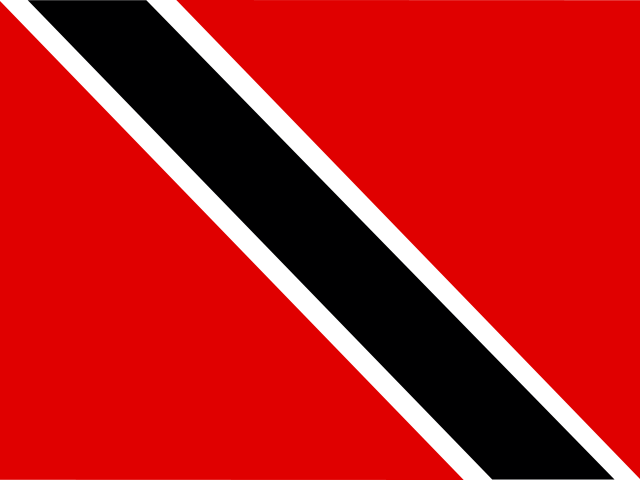
 Trinidad
 at a Glance
About Trinidad
Trinidad is the larger of the two main islands of the Republic of Trinidad and Tobago, located off the northeastern coast of Venezuela. It is the political and economic centre of the nation, with the capital city Port of Spain on the northwest coast.
The island combines urban centres, industrial zones, agricultural areas, and natural wetlands, with cultural attractions including Carnival and music traditions that draw regional and international visitors. Natural attractions include mangrove wetlands and bird habitats along coastal areas.
Trinidad’s modern development has been shaped by oil and gas industry growth during the 20th century, while its population and cultural institutions are diverse due to historical migration and settlement patterns.
Geographically the island lies in the southern Caribbean Sea, close to the South American mainland, and is the main transport and commercial hub for the nation.
- Principal island: The island forms the larger half of the twin-island nation of Trinidad and Tobago and hosts the majority of the country’s population and industry.
- Culture and events: Cultural events such as Carnival, musical traditions, and cuisine are major attractions centred on Port of Spain and surrounding towns.
What to See#
- Port of Spain: Port of Spain on the island’s northwest coast serves as the national capital, commercial centre, and access point for sea and air transport.
- Caroni Swamp / Bird Sanctuary: Caroni Swamp, a major wetland and bird sanctuary on the island’s west coast, known for mangroves and large populations of scarlet ibis.
Best Time to Visit Trinidad
The best time is the dry season (January-May) for beaches and outdoor activities, with Carnival (Feb-Mar) being the busiest, liveliest period.
Weather & Climate near Trinidad
Trinidad's climate is classified as Tropical Monsoon - Tropical Monsoon climate with consistently warm temperatures year-round. Temperatures range from 21°C to 30°C. Heavy rainfall (2118 mm/year), wettest in July.
| Month | Comfort | Temp | Feels | Rain | Sky | Humidity | Wind | UV | Daylight |
|---|---|---|---|---|---|---|---|---|---|
| January | - | 21° - 29° | 25° | 91 mm | - | - | 3.3 m/s | - | - |
| February | - | 21° - 29° | 25° | 55 mm | - | - | 3.6 m/s | - | - |
| March | - | 22° - 30° | 26° | 56 mm | - | - | 3.7 m/s | - | - |
| April | - | 23° - 30° | 26° | 86 mm | - | - | 3.7 m/s | - | - |
| May | - | 23° - 30° | 27° | 135 mm | - | - | 3.6 m/s | - | - |
| June | - | 23° - 30° | 26° | 255 mm | - | - | 3.3 m/s | - | - |
| July | - | 23° - 30° | 26° | 290 mm | - | - | 2.8 m/s | - | - |
| August | - | 23° - 30° | 27° | 264 mm | - | - | 2.5 m/s | - | - |
| September | - | 23° - 31° | 27° | 211 mm | - | - | 2.6 m/s | - | - |
| October | - | 23° - 30° | 27° | 241 mm | - | - | 2.7 m/s | - | - |
| November | - | 23° - 30° | 26° | 246 mm | - | - | 2.8 m/s | - | - |
| December | - | 22° - 29° | 26° | 188 mm | - | - | 2.9 m/s | - | - |
How to Get to Trinidad
Fly into Piarco International Airport (POS) near Port of Spain for international connections to the island of Trinidad. From Piarco use taxis, private transfers or the island’s public maxi-taxis and buses; the Churchill-Roosevelt Highway and the island’s main roads connect Port of Spain with towns across Trinidad.
Tips for Visiting Trinidad
- For wildlife and birding, plan Caroni Swamp boat trips around sunset - that's when the scarlet ibis returns to roost and tours run from the northern/Port-of-Spain area; book a licensed operator in advance.
- Start inland nature visits (Asa Wright and Northern Range trails) early in the morning when bird activity peaks and fewer day-trippers are on the roads from Port of Spain.
- If you want to avoid the busiest beaches (like Maracas Bay on weekend afternoons), choose lesser-known north-coast beaches such as Blanchisseuse or early weekday visits to popular spots; combine coastal drives with a stop at local food stalls for quieter times.