

 Koforidua
Neighbourhoods of Koforidua
Central Koforidua
Compact, practical centre with markets and banks, ideal for short stays and organising trips.
Dining: Local eateries Nightlife: Quiet Shopping: Markets Stays: Mid-Range
- Koforidua Central Market: Main market for food, textiles and crafts.
- Main streets and banks: Cluster of services and banks for travellers’ needs.
- Local chop bars: Cheap, filling Ghanaian meals.
Boti & Waterfalls
Scenic waterfall area with short hikes and Umbrella Rock, ideal for nature-loving day trippers.
Dining: Picnic-style Nightlife: None Shopping: Souvenirs Stays: Guesthouses
- Boti Falls: Twin waterfalls with pools, reachable by short drive.
- Umbrella Rock: Striking rock formation near the falls.
- Local guides: Hire guides at the falls for easier treks and viewpoints.
Residential & Suburbs
Quiet residential suburbs with affordable stays and home-style eateries, good for travellers seeking a calm base.
Dining: Local Nightlife: Low-key Shopping: Shops Stays: Budget
- Suburban markets: Small neighbourhood markets selling fresh produce.
- Local guesthouses: Simple, value accommodation options.
- Community eateries: Home-style meals popular with residents.
Koforidua at a Glance
Costs: Budget traveler: $30-55/day - cheap local meals and modest hotels; taxis and tro‑tros inexpensive.
Safety: Relatively safe with petty theft - normal urban precautions; watch belongings at tourist sites.
Best Time: November-March (dry season) - pleasant weather for waterfalls and hikes.
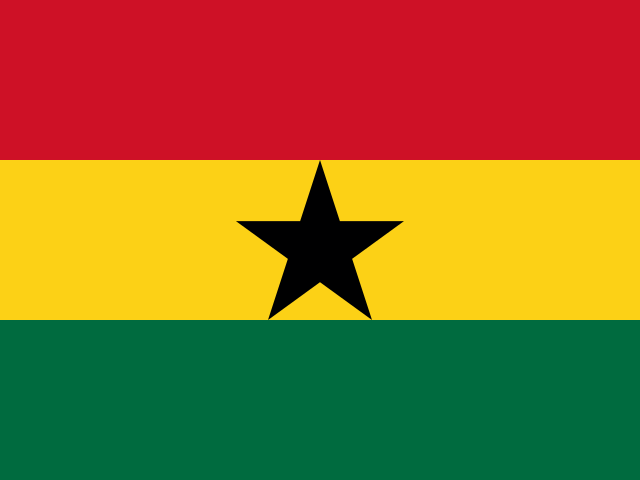
Koforidua sits in Ghana’s Akwapim foothills, known for easy access to Boti Falls and the Bunso Arboretum and for lively bead and food markets. Visitors come for hilltop views, Akan culture, and vibrant local markets.
Getting around: Use shared tro-tros and taxis from the central taxi rank; motorbike taxis serve Boti Falls and Bunso Arboretum routes, walking is easy in central High Street.
Infrastructure & convenience: Reliable MTN and Vodafone mobile coverage, roaming data works; central market and Rattray Park area have ATMs, supermarkets and reliable minibars, but expect occasional power outages.
Local tips: Always greet shopkeepers and elders with a handshake; dress modestly for visits to Central Market and churches; bargain politely at the bead market in Koforidua New Town.
Dining: Try waakye stalls at Central Market and banku with tilapia in New Town eateries; sample street kebabs and fresh akara, but vegetarian options can be limited.
Why Visit Koforidua?
Surrounded by hills and waterfalls, Koforidua appeals to travelers looking for accessible nature and craft culture just east of Accra. Boti Falls and the Umbrella Rock provide scenic day-trip options, while lively street markets sell beads, textiles and woodcarvings. Local palm-wine bars and roadside eateries offer hearty snacks between excursions, and town festivals make it easy to meet artisans and sample Eastern Region cuisine.
Who's Koforidua For?
Nature Buffs
Koforidua is an easy jump-off for Boti Falls and the Umbrella Rock, both under an hour away. The area’s small forest reserves and picnic sites are ideal for short nature outings from town without long travel times.
Couples
Couples enjoy day trips to scenic spots like Boti Falls with its seasonal twin streams and nearby lookout points. Local guesthouses and cafés make for comfortable, inexpensive overnight stays after afternoon excursions.
Families
Family-friendly attractions include waterfall walks, picnic areas, and easy drives to nearby rural sights. Facilities are basic, but safe and manageable for children; plan for modest amenities and bring snacks and water for outings.
Adventure Seekers
Short treks to Boti Falls and surrounding trails offer light adventure options, with rock scrambling and seasonal splash pools. Activities are low-impact but satisfying for those who prefer easy outdoor challenges close to town.
Plan Your Visit to Koforidua
Koforidua Bucket List
Don't Miss
Boti Falls - Twin waterfall on Akwapim-Togo range, popular for river pools and rainforest walks.
Koforidua Central Market - Lively central market where locals buy produce, textiles and sample authentic street food.
Hidden Gems
Umbrella Rock - Natural rock formation near Boti offering a photogenic stone ‘umbrella’ perched on a ledge.
Krobo bead workshops (Somanya) - Krobo bead workshops in Somanya - traditional glass bead-making demonstrations and local sales.
Day Trips
Akosombo Dam - Hydroelectric dam on the Volta, tours and lake cruises available from Akosombo.
Dodi Island - Small island on Lake Volta reached by boat from Akosombo with picnic options.
Mount Afadja (Afadjato) - Ghana’s highest peak near Hohoe, offers hiking and panoramic views over surrounding hills.
Nearby Cities #


Best Time to Visit Koforidua
Koforidua is warm year-round with a major rainy season from April-July and shorter rains in September-November; the driest months run December-February when Harmattan brings cooler, dusty mornings. Visit December-February for easier travel and outdoor exploring, or go during the rains for lush landscapes and active waterfalls if you don’t mind wet weather.
Major Rainy Season
Heavy daily showers turn the countryside emerald, waterfalls roar, and travel can be slow; bring a raincoat, strong insect repellent, and flexible plans.
Minor Rainy Season
Shorter, unpredictable showers but vivid greenery and fewer tourists; expect muddy trails, occasional flooding, and rewarding waterfalls if you chase them.
Dry Season (Harmattan)
Cooler mornings and dusty horizons from Harmattan; best for outdoor activities and clear views, though expect haze some days and dry air.
Koforidua's climate is classified as Tropical Savanna - Tropical Savanna climate with consistently warm temperatures year-round. Temperatures range from 21°C to 33°C. Abundant rainfall (1342 mm/year), wettest in June.
| Month | Comfort | Temp | Feels | Rain | Sky | Humidity | Wind | UV | Daylight |
|---|---|---|---|---|---|---|---|---|---|
| January | Ideal | 21° - 32° | 26° | 23 mm | mostly sunny | 69% | 1.1 m/s | 1.5 very high | 11.7h |
| February | Very Good | 22° - 33° | 30° | 59 mm | some cloud | 73% | 1.7 m/s | 1.6 very high | 11.8h |
| March | Good | 23° - 33° | 31° | 118 mm | partly cloudy | 79% | 1.5 m/s | 1.9 very high | 12.0h |
| April | Good | 23° - 32° | 31° | 146 mm | partly cloudy | 83% | 1.8 m/s | 2.0 extreme | 12.2h |
| May | Good | 23° - 31° | 27° | 165 mm | partly cloudy | 86% | 1.9 m/s | 2.0 very high | 12.3h |
| June | Good | 22° - 29° | 26° | 211 mm | overcast | 89% | 1.8 m/s | 1.7 very high | 12.4h |
| July | Good | 22° - 28° | 25° | 117 mm | overcast | 88% | 2.1 m/s | 1.6 very high | 12.3h |
| August | Very Good | 22° - 28° | 25° | 68 mm | overcast | 85% | 1.9 m/s | 1.6 very high | 12.2h |
| September | Good | 22° - 29° | 25° | 137 mm | overcast | 86% | 1.8 m/s | 1.8 very high | 12.0h |
| October | Very Good | 22° - 30° | 26° | 169 mm | partly cloudy | 87% | 1.7 m/s | 1.9 very high | 11.9h |
| November | Very Good | 22° - 31° | 26° | 88 mm | some cloud | 84% | 1.3 m/s | 1.8 very high | 11.7h |
| December | Excellent | 22° - 31° | 27° | 41 mm | mostly sunny | 76% | 1.0 m/s | 1.5 very high | 11.6h |
How to Get to Koforidua
Koforidua is reached mainly by road from Accra (Kotoka International Airport) and other regional hubs; there is no regular passenger rail link directly into the town. The nearest major airport is Kotoka International Airport (ACC) in Accra, and intercity buses and shared minibuses (trotros) are the most practical way to get into Koforidua.
Kotoka International Airport (ACC): Kotoka is the main international gateway for eastern Ghana; Koforidua is roughly 70-90 km northeast of Accra depending on route, and drives typically take 1.5-2 hours outside peak traffic. From Kotoka you can take a shared intercity minibus (trotro) or an intercity coach from Accra terminals (see bus card) - expect travel times of about 1.5-2 hours. Taxis and ride-hailing services (Bolt where available) can take you directly; approximate fares to Koforidua are commonly in the range of GHS 180-300 for a private transfer, depending on negotiation, time of day and traffic.
Kumasi Airport (KMS): Kumasi is the nearest larger airport to the north; the drive to Koforidua is substantially longer (around 3.5-4.5 hours by road). There are occasional domestic flights to Kumasi from Accra; from Kumasi you would travel by long-distance bus or shared minibus to Koforidua. Expect coach/trotro fares from Kumasi to Koforidua to be higher and journeys to take 3-5 hours depending on route and stops.
Train: There is currently no reliable, regular passenger rail service that serves Koforidua. Ghana’s rail network is focused on a few routes and much of the country’s passenger rail service is limited or irregular; nearest rail connections with intermittent service are centered on Accra and Kumasi. For practical travel to Koforidua use road-based options below.
Bus: Koforidua is well connected by intercity coaches and shared minibuses (trotros). Long-distance trotro and coach departures to Koforidua leave Accra from hubs such as Kaneshie, Circle/Accra Interchange and other major bus parks; they arrive at the Koforidua Interchange/central bus station. Typical travel time from Accra by coach or trotro is about 1.5-2 hours depending on traffic; fares commonly range from roughly GHS 15-60 depending on vehicle type (shared minibus vs. private coach and service level). Local trotro and municipal buses serve the surrounding towns and villages.
How to Get Around Koforidua
Road travel is the practical backbone of getting to and around Koforidua: intercity coaches and trotros connect it to Accra and regional towns, while taxis and motorbike taxis handle local trips. For most visitors a combination of coach/trotro for arrival plus taxis or walking for getting around the centre works best.
- Trotro (shared minibus) (GHS 10-30) - Shared minibuses (trotros) are the most common and cheapest way to travel between Koforidua and nearby towns, including Accra. They depart from main bus hubs and the Koforidua Interchange; trips to Accra take about 1.5-2 hours depending on traffic and route. Expect a fairly basic, frequent service; be prepared for standing passengers at busy times and bring small change for fares.
- Intercity coach (GHS 30-70) - Private coach companies and longer-distance buses run scheduled services between Accra, Kumasi and Koforidua and provide more comfortable seats and luggage space than trotros. Coaches use the main bus parks and the Koforidua Interchange; travel time from Accra is typically 1.5-2 hours. Book ahead for weekend travel or public holidays; luggage allowances and departure points vary by operator.
- Taxi & Ride-hailing (Bolt / local taxis) (GHS 10-50 (local); GHS 180-300 (private transfer to Accra)) - Local taxis and app-based services (Bolt operates in many Ghanaian towns and may be available in Koforidua) are convenient for door-to-door travel inside the town and to nearby attractions. Short inner-city trips typically cost modestly (see price range), while private transfers to Accra are considerably more expensive and should be negotiated in advance or booked through a reputable operator. Expect fares to rise at night and during busy periods.
- Motorbike taxi (Okada) (GHS 3-15) - Motorbike taxis are a fast way to get around quickly on narrow streets and through traffic, especially for short hops and to reach areas with limited vehicle access. They are inexpensive but carry higher safety risk; insist on a helmet and agree the price before starting. Use okadas for short trips only and avoid them during heavy rain or on long intercity journeys.
- Car hire / driving (GHS 180-450 per day (typical local rental or driver hire)) - Hiring a car (with or without a driver) gives the most flexibility for exploring the Eastern Region and surrounding attractions. Car rental companies are more common in Accra; if renting locally expect to pay a premium or hire a driver. Roads around Koforidua are generally passable but watch for potholes and occasional poor signage; fuel stations are available in town.
- Walking - Koforidua’s town centre is compact and easy to explore on foot-markets, shops and many amenities are within walking distance of the interchange. Walking is the best way to soak in the local atmosphere and find side-street vendors, but avoid poorly lit areas at night. Wear sensible shoes for uneven pavements and keep valuables secure.
Where to Stay in Koforidua
Budget
Koforidua (Town Centre/Market) - $12-35/night
Economical guesthouses and family-run inns near the central market. Basic rooms, friendly hosts, and easy walking access to town sights.
Mid-Range
Koforidua (Central/Old Town) - $35-85/night
Mid-range hotels with private bathrooms and breakfast-good for exploring nearby waterfalls and regional attractions. Generally reliable service and parking.
Luxury
Koforidua (Residential/Outskirts) - $90-180/night
A few upscale lodgings offer spacious rooms, gardens, and event facilities. Best for travelers wanting comfort near town amenities.
Best for First-Timers
Koforidua (Main Square) - $30-120/night
Stay near the main square for easy orientation and local tours to waterfalls and regional sites. Staff usually speak some English and assist with travel.
Best for Families
Koforidua (Residential) - $40-140/night
Choose family rooms and quieter guesthouses with onsite dining. Proximity to parks and markets simplifies family outings and errands.
Digital Nomads
Koforidua (Central) - $40-150/night
Decent mobile networks and occasional coworking in nearby larger towns. Prefer hotels advertising reliable Wi‑Fi and stable power backup.
Where to Eat in Koforidua
Koforidua serves steady Ghanaian favorites - banku, kenkey, and palm-oil-rich stews - at friendly chop bars and the busy market. Meals here are straightforward and filling, with a neighborhood feel.
For international dishes, look to hotel restaurants and cafés in town. Vegetarians can rely on market produce, tubers and vegetable stews; ask staff to adjust spice and oil levels.
Local Food
Koforidua’s food is classic Ghanaian comfort: banku and kenkey, stews rich with palm oil, and robust soups served at bustling chop bars and the central market.
- Koforidua Market Centre - Banku, kenkey and local stews served daily
- Juaso Road eateries - Hearty local plates and grilled fish options
- Local roadside chop bars - Comforting home-style soups and stews available
International Food
International dining is available at hotels, cafés and shopping-centre eateries that offer pizza, sandwiches and continental plates for visitors seeking familiar fare.
- Hotel restaurants in town - Continental menus and seafood choices available
- City cafés and bakeries - Light international bites and coffee offerings
- Shopping-centre eateries - Fast-casual international chains and local fusion
Vegetarian
Vegetarian options are market-driven: tubers, garden produce and stews can be prepared without meat at local chop bars or by hotel kitchens.
- Market produce stalls - Seasonal vegetables and tubers for DIY meals
- Chop-bar veggie stews - Palm-oil-free stews available on request sometimes
- Hotel salad options - Hotels prepare salads and vegetable mains upon request
Breakdown of cuisine types found across Koforidua’s restaurants and food venues, based on OpenStreetMap data.
Shopping in Koforidua
Koforidua is a regional commercial centre where the main markets supply everyday needs: fabrics, woodcarvings and locally made crafts. The central market and nearby streets are the best places to scout for beadwork and souvenirs. Haggling is expected at street stalls; fixed-price stores and small shopping centres offer easier purchases for electronics and clothing.
Best Bets
- Koforidua Central Market - Largest market for textiles, food and local crafts.
- Local craft and bead shops - Beads, bracelets and small wood carvings sold nearby.
- Boti Falls-area stall sellers - Souvenirs and crafts sold en route to nearby attractions.
- Fabric merchants and tailors - Tailoring services and a wide range of printed fabrics.
- Small shopping centres and supermarkets - Fixed-price shops for electronics, toiletries and groceries.
- Local woodcarvers and souvenir stalls - Carved masks and household wooden items sold locally.