

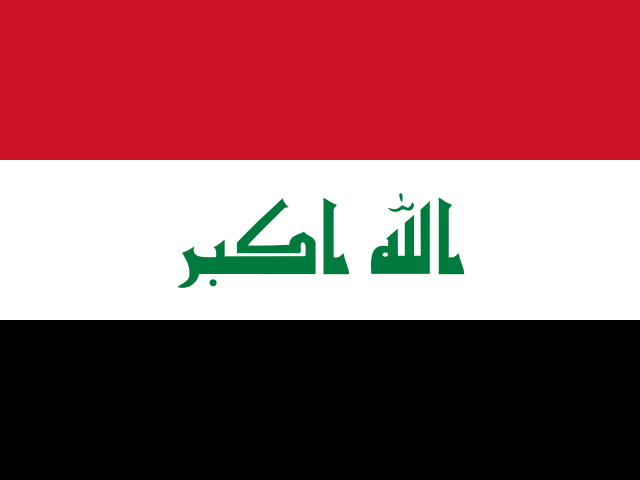
 Kut
Kut at a Glance
Costs: $50-120 / day - costs higher when factoring security and transport arrangements.
Safety: High risk - avoid travel unless essential - active security concerns and limited safe tourist options.
Best Time: Nov-Mar - cooler months are much more comfortable than hot summers.
Kut (Al Kut) is an Iraqi city on the Tigris with a historic riverside character and traditional bazaars. It functions as a regional commercial hub where riverfront life, markets and local cuisine converge.
Getting around: Use shared taxis and private drivers to reach Souq al-Aziziya and Al-Hussain Street; short trips on foot along the Tigris riverfront and Old Town.
Infrastructure & convenience: Basic services cluster near the city center-bank ATMs, small clinics and bazaars on Al-Seif Road; expect intermittent power and limited English signage.
Local tips: Dress conservatively-women cover hair and shoulders in public; accept tea if offered, remove shoes when visiting homes or mosques, and greet elders first.
Dining: Sample masgouf and tashreeb at riverside restaurants near the Tigris; try fresh grilled river fish and hearty stews in local bazaars around Souq al-Aziziya.
Why Visit Kut?
Located on the Tigris, Kut draws interest from history buffs and river travelers who come to see sites related to the World War I Battle of Kut and to explore lively riverfront souks. The city functions as a regional trading hub with traditional Iraqi dishes, date-palm products and opportunities for boat trips on the Tigris or excursions toward nearby marshlands. Its modest scale makes it useful for travelers wanting a closer look at everyday life in eastern Iraq.
Who's Kut For?
Business
Kut functions as a regional commercial centre on the Tigris with agricultural markets and governmental offices. Practical hotels and transport links to Baghdad make it a reasonable stop for local business travel, though services remain utilitarian.
Families
As a medium-sized Iraqi city, Kut offers basic family amenities: neighbourhood clinics, schools and local markets. Life is community-oriented and services cover everyday needs, but leisure and tourist infrastructure are limited.
Nature Buffs
The Tigris waterfront provides simple riverside walks and local fishing scenes. These river stretches aren’t developed for tourism, yet they offer low-key nature experiences and a chance to observe traditional riverine life.
Foodies
Local cuisine around the souks includes grilled meats, river fish and Mesopotamian staples served in family-run cafés. Culinary options are straightforward and affordable, emphasizing traditional Iraqi flavours rather than fine dining.
Plan Your Visit to Kut
Kut Bucket List
Don't Miss
Kut Barrage (Sadd al-Kut) - Large irrigation barrage and river control on the Tigris, popular local leisure spot.
Kut War Cemetery - Commonwealth cemetery commemorating the WWI Siege of Kut, a quiet place for reflection.
Kut Bridge (Al-Jisr al-Kut) - Key Tigris crossing linking the city’s banks and serving as a local landmark.
Tigris Riverside (Old Quarter) - The riverside stretch near the bridge where everyday life and small markets converge.
Hidden Gems
Kut Corniche - Riverside promenade favored by locals for evening walks and teahouses.
Local Riverside Cafés - Small tea houses along the Tigris where residents gather for conversation and tea.
Falconry and Market Lanes - Narrow market lanes where traders sell birds, cages and traditional goods.
Wasit Governorate Cultural Center - Occasional exhibitions and events highlighting regional crafts and history.
Day Trips
Taq Kasra (Ctesiphon) - Massive Sassanian brick arch and archaeological site near Salman Pak, rich history.
Iraq Museum (Baghdad) - National collection of Mesopotamian antiquities, reachable within a long day from Kut by road.
Baghdad (Historic districts) - Baghdad’s old quarters and riverside markets offer layered history and lively street life.
Amarah - Regional city downriver with riverside promenades and local markets, reachable within a few hours.
Nearby Cities #


Best Time to Visit Kut
The best time to visit Kut is late autumn through early spring (roughly November-March), when temperatures are mild and sightseeing along the Tigris is comfortable. Avoid June-August, when intense desert heat makes outdoor activities difficult and potentially hazardous.
Winter
Cool, occasionally rainy months; comfortable daytime temperatures for sightseeing along the Tigris, but nights can be chilly-pack a jacket and expect occasional wet days.
Spring
Warm, pleasant mornings and hot afternoons; great for river walks and day trips before the heat peaks-drink water and schedule outdoor activity early.
Summer
Brutally hot and dry; daytime temperatures soar, making midday outdoor activity unpleasant and risky-stay indoors, use air conditioning, and avoid visiting during these months if possible.
Kut's climate is classified as Hot Desert - Hot Desert climate with very hot summers (peaking in July) and cool winters (coldest in January). Temperatures range from 5°C to 44°C. Very dry conditions with minimal rainfall with a pronounced dry season.
| Month | Comfort | Temp | Feels | Rain | Sky | Humidity | Wind | UV | Daylight |
|---|---|---|---|---|---|---|---|---|---|
| January | Excellent | 5° - 17° | 11° | 29 mm | mostly sunny | 60% | 2.6 m/s | 0.5 moderate | 10.1h |
| February | Very Good | 8° - 20° | 14° | 34 mm | mostly sunny | 55% | 2.8 m/s | 0.8 moderate | 10.9h |
| March | Ideal | 11° - 25° | 18° | 22 mm | mostly sunny | 45% | 3.2 m/s | 1.2 high | 11.9h |
| April | Ideal | 16° - 30° | 23° | 14 mm | some cloud | 38% | 3.4 m/s | 1.6 very high | 12.9h |
| May | Excellent | 22° - 38° | 30° | 5 mm | mostly sunny | 26% | 3.1 m/s | 2.0 extreme | 13.7h |
| June | Ideal | 26° - 43° | 34° | 0 mm | clear | 16% | 4.2 m/s | 2.5 extreme | 14.1h |
| July | Ideal | 28° - 44° | 36° | 0 mm | clear | 14% | 4.5 m/s | 2.4 extreme | 13.9h |
| August | Ideal | 27° - 44° | 35° | 0 mm | clear | 14% | 3.9 m/s | 2.1 extreme | 13.2h |
| September | Ideal | 24° - 41° | 32° | 0 mm | clear | 16% | 3.1 m/s | 1.7 very high | 12.2h |
| October | Ideal | 18° - 34° | 26° | 1 mm | mostly sunny | 26% | 2.4 m/s | 1.1 high | 11.2h |
| November | Ideal | 11° - 25° | 18° | 20 mm | mostly sunny | 46% | 2.4 m/s | 0.6 moderate | 10.4h |
| December | Excellent | 7° - 19° | 13° | 29 mm | mostly sunny | 57% | 2.3 m/s | 0.5 low | 9.9h |
How to Get to Kut
Kut (Al-Kūt) is reached mainly by road from Baghdad or Najaf; there is no large commercial airport in the city itself. Baghdad International Airport (BGW) and Najaf International (NJF) are the closest major airports, and intercity buses or private transfers connect them to Kut.
Baghdad International Airport (BGW): Baghdad International is the nearest major international airport with the most frequent international connections. Road transfer to Kut is by private taxi or hired car (drive ~160 km, typically 2-3 hours depending on traffic and checkpoints); a booked private transfer usually takes about 2-3 hours. Taxis and private transfers are the usual option - prices vary and should be agreed in advance; expect the journey to take roughly 2-3 hours from the airport to Kut.
Najaf International Airport (NJF): Najaf is another feasible arrival point for southern Iraq. Road transfer to Kut is by private car or shared minibus services (drive ~150-170 km, typically 2.5-3 hours depending on route and stops). Shared minibuses and hired cars are commonly used; travel times are generally around 2.5-3 hours.
Train: Al Kut has a railway stop (Al Kut / Kut station) on the historical Baghdad-Basra corridor, but passenger rail services in Iraq are intermittent and schedules change. If passenger trains are running, trips from Baghdad on that corridor can take roughly 3-4 hours; check Iraq Railways or local operators for current service before planning.
Bus: Intercity buses and shared minibuses (service vans) link Kut with Baghdad, Najaf and other regional centres. Buses and shared services are the most reliable regular option when available and typically take about 2-3.5 hours from Baghdad depending on vehicle and route. Fares and departure points vary by operator - ask at bus terminals or at larger hotels/terminals in the origin city for current prices and schedules.
How to Get Around Kut
Kut is best navigated by road - private taxis and shared minibuses are the practical options for most visitors. Public transport is limited and schedules can be irregular, so arrange important transfers in advance and allow extra time for checkpoints and traffic.
- Private taxi / transfer - The most practical way to arrive and move between towns is by private taxi or pre-booked transfer. Drivers will usually handle border checkpoints and luggage; negotiate and confirm the price before departure. For intercity trips expect multi-hour journeys to Baghdad or Najaf and plan for stops and traffic.
- Shared minibuses / service vans - Shared minibuses (service vans) operate between Kut and nearby cities and are the budget option for intercity travel. They leave when full rather than on a strict timetable, so allow flexibility in your schedule. They’re cheaper than private taxis but less comfortable and make more stops en route.
- Intercity bus - Larger intercity buses run on main routes when available and offer a more comfortable ride than minibuses. Schedules can be irregular and buses may depart from central bus stations in larger cities; check locally for exact departure points and times. Expect travel times of a few hours for journeys to Baghdad or Najaf.
- Car rental / self-drive - Renting a car gives the most freedom for regional exploration, but driving in Iraq requires confidence with local road conditions and checkpoints; international rental options are limited. Make sure documentation, insurance and GPS/route knowledge are in order, and avoid driving at night when possible.
- Local taxis & service taxis - Within Kut, local taxis and shared service taxis are the main way to get around quickly. Negotiate fares up front for private trips; shared ‘service’ taxis follow informal routes and are very cheap. Expect variable comfort and always check the vehicle condition before getting in.
- Walking - Central Kut is compact enough for short walks around the old town and riverfront; walking is the best way to explore markets and the Tigris riverside at a relaxed pace. Use common-sense safety precautions, avoid poorly lit areas at night, and keep valuables secure.
Where to Stay in Kut
Budget
City Center / Market - $15-45/night
Basic local guesthouses and small hotels close to the Tigris and main market; expect simple furnishings and limited services.
Mid-Range
Riverfront / Highway Access - $45-120/night
Mid-range hotels near the highway and riverfront supply air-conditioned rooms and secure parking; convenient for business and provincial travel.
Luxury
Near Administrative District - $120-300/night
Limited luxury options; seek larger hotels in regional centers for wide services. Locally, upscale rooms emphasize space and private dining.
Best for First-Timers
Main Market Area - $25-80/night
Pick accommodation close to the main bridges and market area for straightforward orientation and daytime sightseeing in town.
Best for Families
Near Parks and Waterfront - $40-130/night
Family-friendly rooms are available in larger mid-range hotels; ask about family suites and secured parking for arrivals with children.
Best for Digital Nomads
Business District - $40-120/night
Reliable internet varies; choose mid-range hotels offering business centers or plan to work from larger regional cities for consistent connectivity.
Where to Eat in Kut
Kut is a provincial Iraqi city where eating is straightforward: grilled meats with rice, plentiful flatbreads and small tea shops that serve as social hubs. Expect family-run grills and bakeries rather than upscale restaurants.
For visitors the most convenient options are hotel restaurants and local cafés; the best food experiences are the simple, everyday places where people gather for tea and kebabs.
Local Food
Kut’s food is traditional Iraqi - grilled meats, rice and bread, with small tea shops and bakeries serving everyday staples.
- Al-Mahdi and local grill stands - Grilled kebabs and rice plates, family-run.
- Street tea shops - Small snacks with black tea and bread.
- Local bakeries - Flatbreads and simple pastries for quick meals.
International Food
International choices are limited to hotel dining and simple cafés, with an emphasis on approachable, hearty dishes.
- Hotel restaurants - Basic international and regional dishes for visitors.
- Local cafés - Tea, coffee and light sandwiches available.
- Simple fast-food outlets - Regional fast-food and familiar quick meals.
Vegetarian
Vegetarian dishes rely on mezze-style plates, legumes and breads; markets provide the ingredients for simple, wholesome meals.
- Local mezze spots - Hummus, lentils and vegetable stews available.
- Bakeries - Flatbreads and cheese pastries to assemble meals.
- Market produce stalls - Seasonal vegetables for DIY vegetarian plates.
Breakdown of cuisine types found across Kut’s restaurants and food venues, based on OpenStreetMap data.