

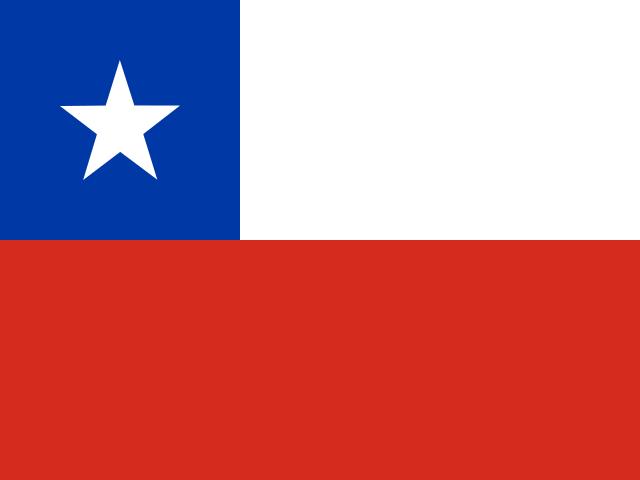
 Robinson Crusoe Island
About Robinson Crusoe Island
Robinson Crusoe Island is the largest inhabited island of Chile’s Juan Fernández archipelago and lies well offshore in the southeastern Pacific. The island is known for its isolated position, endemic flora and fauna and the historical association with the marooned sailor Alexander Selkirk.
Visitors find a single small settlement with basic services, hiking trails into native laurel and shrubland, and opportunities for birdwatching, snorkeling and diving around rocky shores. The island’s protected areas conserve rare plant species and seabird colonies, and trails lead to viewpoints and historic sites related to early European visits.
Alexander Selkirk was marooned on one of the islands in the early 18th century, an episode that later inspired popular literature; over time the islands were used intermittently by sailors and were settled in small numbers. Conservation and limited tourism have been priorities in recent decades to protect endemic species.
Robinson Crusoe Island sits within the Valparaíso Region of Chile, several hundred kilometres west of the continental coast and is reachable by periodic small aircraft from Santiago or by irregular supply boats from coastal ports.
- Remoteness: The island is part of the Juan Fernández archipelago, located several hundred kilometres west of mainland Chile, and is remote with limited, scheduled transport connections.
- Name and association: The island was formerly known as Más a Tierra and is associated with Alexander Selkirk, a mariner whose long marooning on the islands inspired Daniel Defoe’s Robinson Crusoe.
What to See#
- San Juan Bautista (main village): The small port and main settlement where most accommodation, shops and services are concentrated and the usual arrival point for visitors.
- Protected areas: Areas of the island are part of the Juan Fernández archipelago’s national park and biosphere reserve, protecting endemic plants and seabird colonies and offering marked trails.
- Diving and coastal sites: Rocky coastal sites and offshore reefs that provide clear water diving and snorkeling with native fish species and marine habitats around the island.
Tips for Visiting Robinson Crusoe Island
- Plan and book transport well in advance-scheduled flights from Santiago (operated by regional carriers) and infrequent boat services are limited, so set dates once you have confirmed seats.
- Reserve accommodation and excursions ahead of arrival; the island has limited lodging and guided boat/snorkel trips sell out, especially in the austral summer.
- Hire a local guide for hiking, snorkeling and visits to more remote coves-guides know safe landing spots, marine-protection rules and the best wildlife viewing that many independent visitors miss.
Nearby Attractions to Robinson Crusoe Island

Best Time to Visit Robinson Crusoe Island
Visit in the southern-hemisphere summer (Dec-Mar) for the warmest weather and calmer seas, improving access to the island.
Weather & Climate near Robinson Crusoe Island
Robinson Crusoe Island's climate is classified as Warm-Summer Mediterranean - Warm-Summer Mediterranean climate with mild summers (peaking in January) and cool winters (coldest in August). Temperatures range from 8°C to 19°C. Abundant rainfall (1044 mm/year), wettest in June.
| Month | Comfort | Temp | Feels | Rain | Sky | Humidity | Wind | UV | Daylight |
|---|---|---|---|---|---|---|---|---|---|
| January | - | 14° - 19° | 16° | 33 mm | - | - | 4.2 m/s | - | - |
| February | - | 14° - 19° | 16° | 35 mm | - | - | 4.1 m/s | - | - |
| March | - | 13° - 19° | 16° | 57 mm | - | - | 3.7 m/s | - | - |
| April | - | 12° - 17° | 14° | 93 mm | - | - | 3.8 m/s | - | - |
| May | - | 11° - 16° | 13° | 170 mm | - | - | 3.7 m/s | - | - |
| June | - | 9° - 14° | 12° | 176 mm | - | - | 3.8 m/s | - | - |
| July | - | 8° - 13° | 11° | 159 mm | - | - | 4.1 m/s | - | - |
| August | - | 8° - 13° | 10° | 118 mm | - | - | 3.9 m/s | - | - |
| September | - | 8° - 13° | 11° | 88 mm | - | - | 3.9 m/s | - | - |
| October | - | 9° - 14° | 11° | 54 mm | - | - | 3.8 m/s | - | - |
| November | - | 10° - 16° | 13° | 35 mm | - | - | 3.8 m/s | - | - |
| December | - | 12° - 18° | 15° | 26 mm | - | - | 4.1 m/s | - | - |